Tracheostomy Care

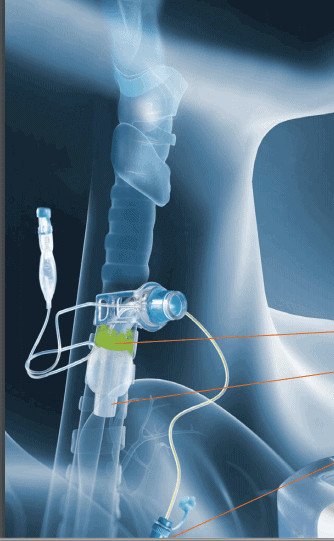
Understanding how to care for the tracheostomy tube is vital in reducing infection and mortality rates. There is evidence that a multidisciplinary approach and use of a tracheostomy care protocol leads to decreased mobidity and mortality as well as reduced average time to decannulation (Garrubba et al., 2009; Cetto & Hettige, 2011; Hettige et al., 2008; Arora et al., 2008).  The care provider of individuals with tracheostomy should have knowledge of emergency equipment, tracheostomy tube changes, stoma care, secretion management (including suctioning, humidification, tracheostomy occlusion, cough techniques and expiratory muscle strength training), and cleaning and replacing the inner cannula. 

Click below for more information on each topic.
svg+xml;charset=utf

Emergency Care

Make sure equipment is close to the bedside and during transportation in case of emergency.

svg+xml;charset=utf

Routine Tracheostomy Tube Changes

Information about routine tracheostomy tube changes as well as learning signs of emergent tracheostomy tube changes.

svg+xml;charset=utf

Stoma Care

Cleaning and caring for the stoma reduces the risk of infection.

svg+xml;charset=utf

Cuff Management

Managing the tracheostomy cuff is important for preventing complications of cuff overinflation or underinflation.

svg+xml;charset=utf

Secretion Management

A tracheostomy tube results impaired secretion management. Learn about suctioning, maintaining appropriate humidification, physical mobilization, cough techniques, clearing secretions with occlusion of the tracheostomy, and expiratory muscle strength training.

svg+xml;charset=utf

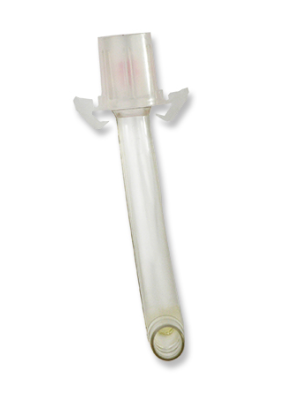
Cleaning and Replacing the Inner Cannula

Regular clearning or replacement of the inner cannula can prevent tube obstruction.

Tracheostomy Care Articles and Perspectives

svg+xml;charset=utf

Tracheostomy Sizes and Comparison Tool

Compare different tracheostomy tube sizes for inner diameter, outer diameter, length and cuff.

Read more
Early Mobilization
svg+xml;charset=utf
Early Mobilization

Early Mobilization

Early mobilization is an important part of the rehabilitation process for individuals with tracheostomy in…
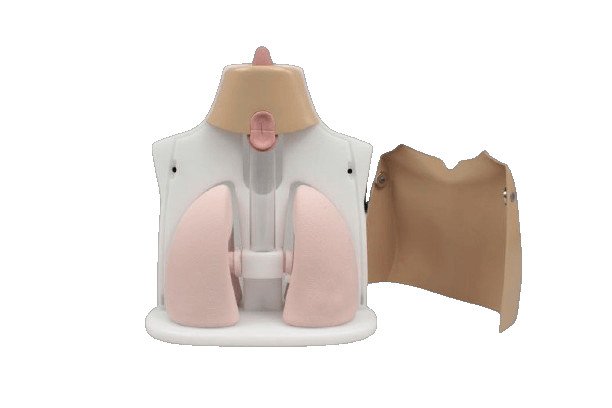
Spotlight: Clearview Tracheostomy Simulation Device
tracheostomy manikin
Spotlight: Clearview Tracheostomy Simulation Device

Spotlight: Clearview Tracheostomy Simulation Device

The ClearView Tracheostomy Trainer is an interactive model that addresses the difficulties in understanding tracheostomy…
Tracheostomy in the Community
tracheostomy awareness
Tracheostomy in the Community

Tracheostomy in the Community

There are many challenges to caring for a patient with a tracheostomy once discharged to…
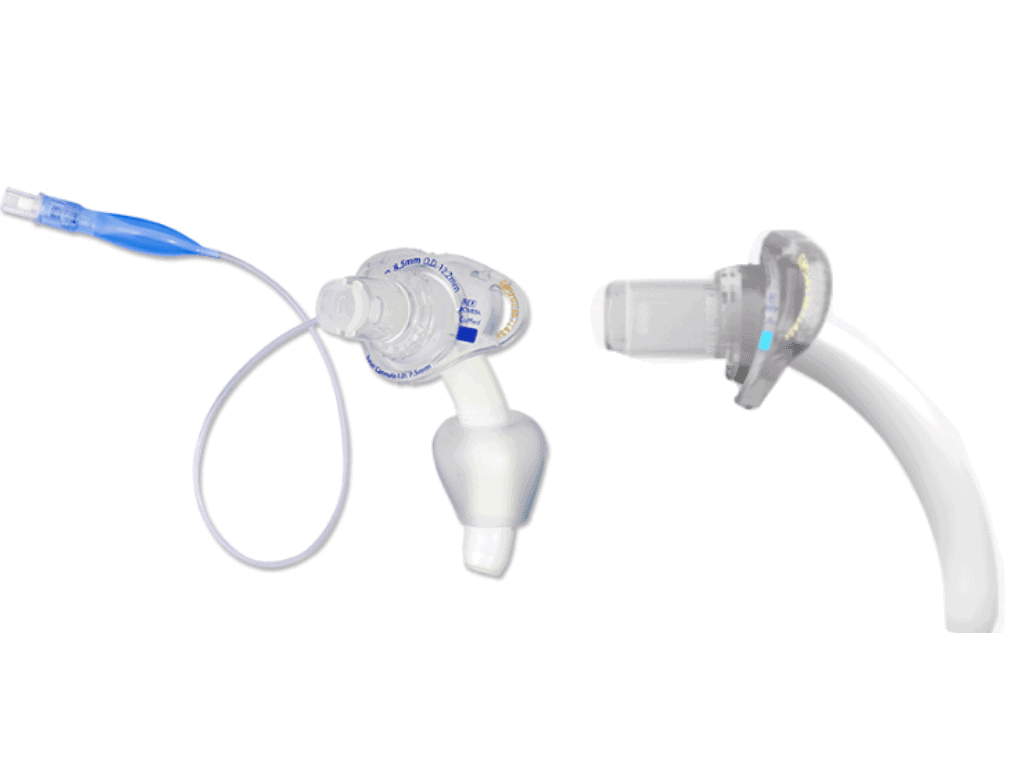
Cuffed versus Cuffless Tracheostomy Tubes
cuffed versus cuffless tracheostomy tube
Cuffed versus Cuffless Tracheostomy Tubes

Cuffed versus Cuffless Tracheostomy Tubes

Cuffed versus cuffless tracheostomy. Explains the purpose of a cuffed tracheostomy and when to deflate…
Tracheostomy Tube Cuff Management
svg+xml;charset=utf
Tracheostomy Tube Cuff Management

Tracheostomy Tube Cuff Management

Complications can occur if the tracheostomy tube cuff is not managed properly. Ensure proper cuff…

Resources

Garrubba, M, Turner, T, Grieveson, C. Multidisciplinary care for tracheostomy patients: a systematic review. Crit Care. 2009;13:R177.
Google Scholar | Medline | ISI

Cetto, R, Arora, A, Hettige, R. Improving tracheostomy care: a prospective study of the multidisciplinary approach. Clin Otolaryngol. 2011;36:482-488.
Google Scholar | Medline | ISI

Hettige, R, Arora, A, Ifeacho, S, Narula, A. Improving tracheostomy management through design, implementation and prospective audit of a care bundle: how we do it. Clin Otolaryngol. 2008;33:488-491.
Google Scholar | Medline | ISI

Arora, A, Hettige, R, Ifeacho, S, Narula, A. Driving standards in tracheostomy care: a preliminary communication of the St Mary’s ENT-led multi disciplinary team approach. Clin Otolaryngol. 2008;33:596-599.
Google Scholar | Medline | ISI